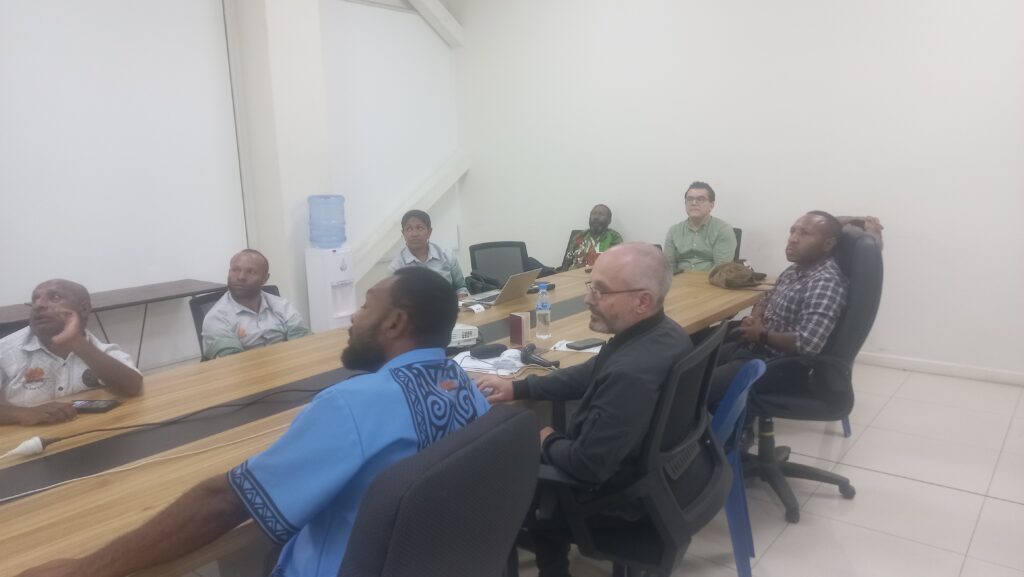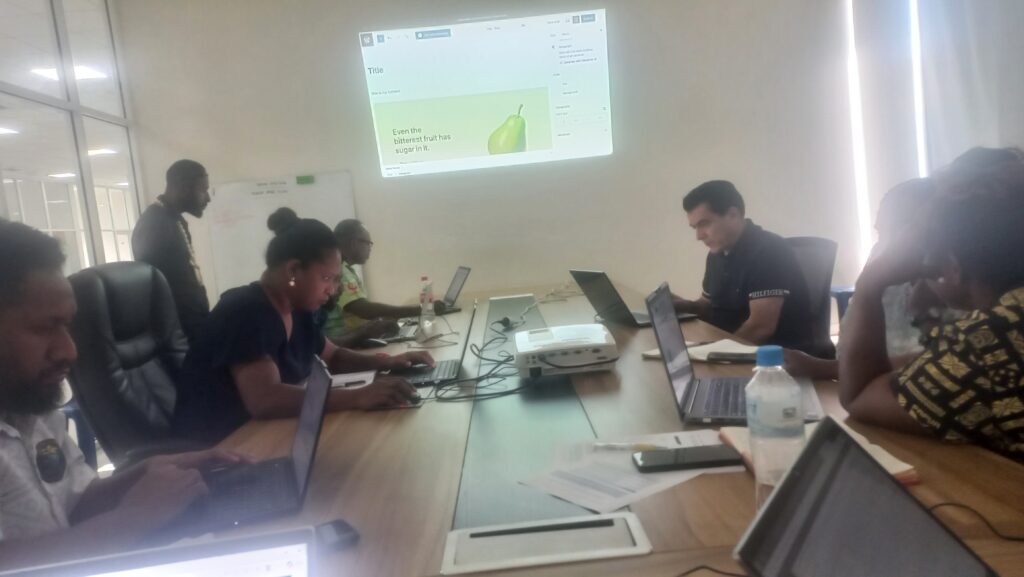
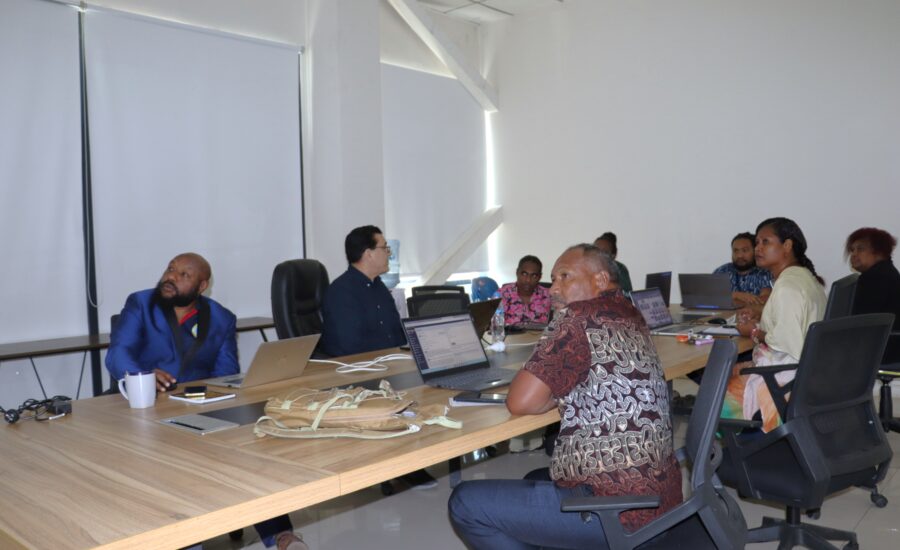
The Climate Change and Development Authority (CCDA) has begun automating several of its internal work processes in a move aimed at improving efficiency, transparency, and service delivery across the organization.
The initiative focuses on digitizing operations within CCDA’s Human Resource, Finance, and Asset Management within the Corporate Services Division. Officials say the automation effort will streamline administrative functions, reduce manual paperwork, and strengthen internal controls.
According to the authority, the transition to automated systems will allow staff to process key functions such as employee records management, payroll processing, financial reporting, procurement tracking, and asset monitoring through integrated digital platforms.
The modernization effort aligns with the Government of Papua New Guinea’s broader push toward digital transformation within public sector institutions. By replacing manual processes with automated systems, CCDA aims to improve data accuracy, speed up approvals, and enhance accountability in the management of public resources.
Officials noted that automation within the Human Resource unit will help centralize employee information and improve the management of leave, payroll, and staff performance records. In the Finance division, the new system will support real-time financial tracking, budget monitoring, and automated reporting.
Meanwhile, the Asset Management component will introduce digital registers and tracking tools designed to monitor government assets under the authority’s control. This is expected to reduce the risk of asset loss and improve oversight of equipment and infrastructure.
CCDA leadership says the reforms are part of the authority’s ongoing institutional strengthening program as it continues to play a central role in coordinating climate change policy and development initiatives in Papua New Guinea.
The Climate Change and Development Authority was established to lead the country’s response to climate change and to implement national policies related to climate mitigation, adaptation, and sustainable development.
Officials say that by modernizing its internal systems, the authority will be better positioned to focus on its core mandate of supporting climate resilience and sustainable development across the country.
The automation rollout is expected to be implemented in phases, with staff training and system testing forming part of the transition to ensure a smooth adoption across all departments.