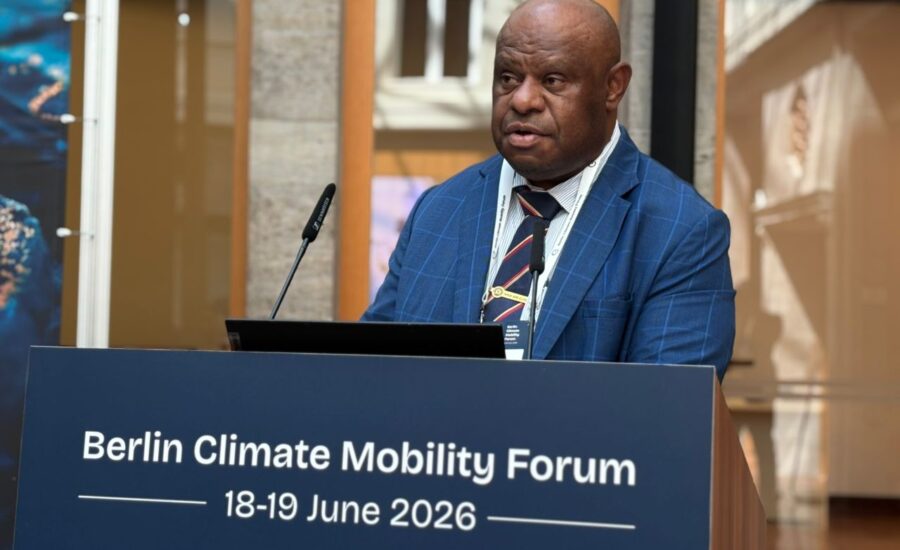
Speaking on early 2026 when Papua New Guinea recorded its first-ever parametric insurance payout following a 5.7 magnitude earthquake, which triggered payments to approximately 3,200 policyholders across Madang and Morobe Provinces through Women’s Micro Bank (Mama Bank). Payments were made digitally within 14 days of the event, demonstrating the ability of climate and disaster risk insurance to provide timely support when communities need it most. This achievement highlights the value of public-private partnerships involving UNCDF, government institutions, financial service providers, Pacific Re, MMI Insurance, and development partners in building innovative financial resilience mechanisms for vulnerable populations.
As climate-related disasters increasingly influence decisions around displacement and mobility, climate risk insurance is emerging as an important resilience tool. By providing households with a financial safety net before disasters occur, insurance helps communities recover more quickly, protects productive assets, reduces negative coping strategies, and can lessen the need for distress migration. PNG’s experience demonstrates that when combined with financial inclusion and climate adaptation measures, climate risk insurance can play a valuable role in strengthening resilience and supporting informed climate mobility decisions. It also demonstrates how partnerships between governments, development partners, insurers, reinsurers, and financial institutions can help scale innovative solutions that protect vulnerable communities from the growing impacts of climate change and natural disasters.